

The working principle of the charger is relatively simple and is mainly divided into two steps: voltage transformation and rectification. First of all, the normal power output is AC power, and the device requires DC power, so the charger needs to convert AC power into DC power. This step is voltage transformation, which is achieved by converting the input transformer. The transformer contains a magnetic coil. When the input terminal is affected by alternating current, the magnetic coil produces a magnetic field, which in turn generates a current at the output terminal. By adjusting the ratio of the turns of the input and output coils, the output voltage can be controlled. The next step is rectification, which converts the AC power into DC power. This step requires the use of a rectifier circuit to convert alternating current into current flowing in only one direction in order to power the device.
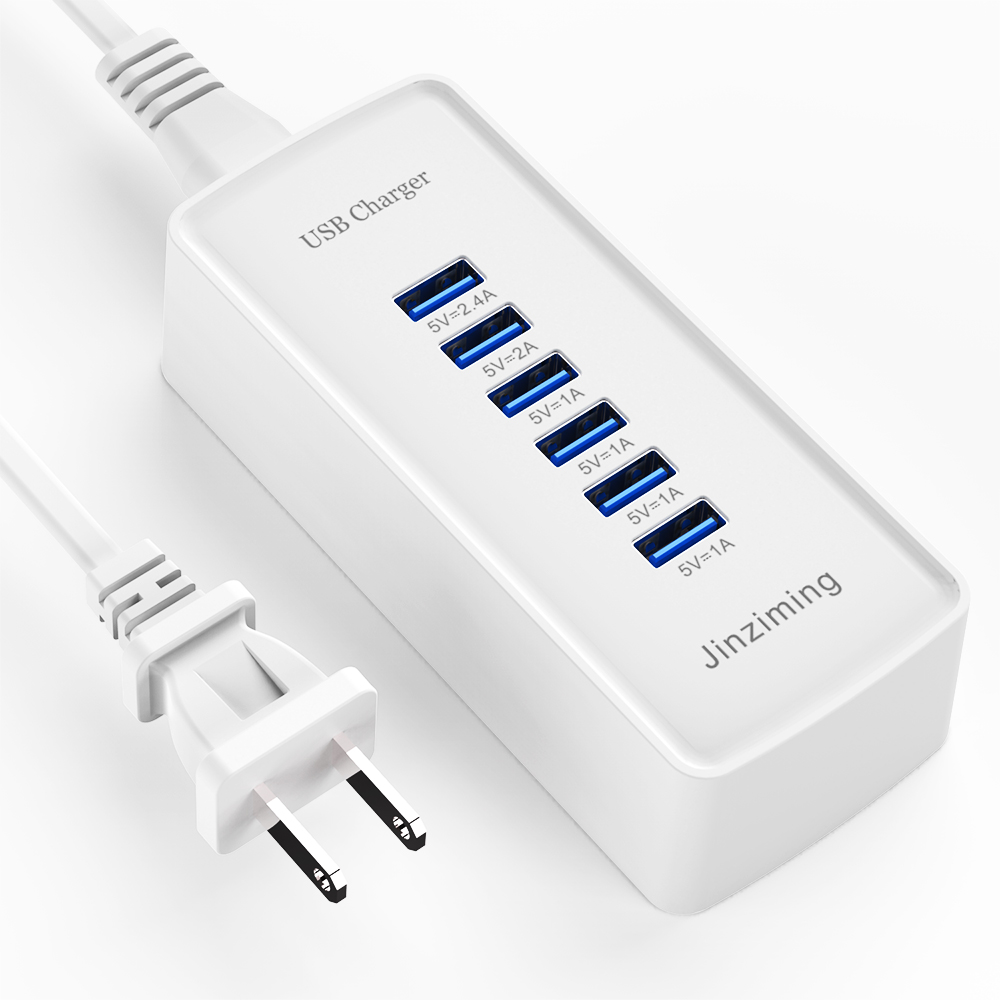
All in all, a power charger is a device that converts alternating current into direct current required by the device, through the steps of voltage transformation and rectification. It is an integral part of modern life, providing continuous and stable power to our electronic devices. Therefore, we need to use and maintain the charger correctly to ensure safe use and extend service life.