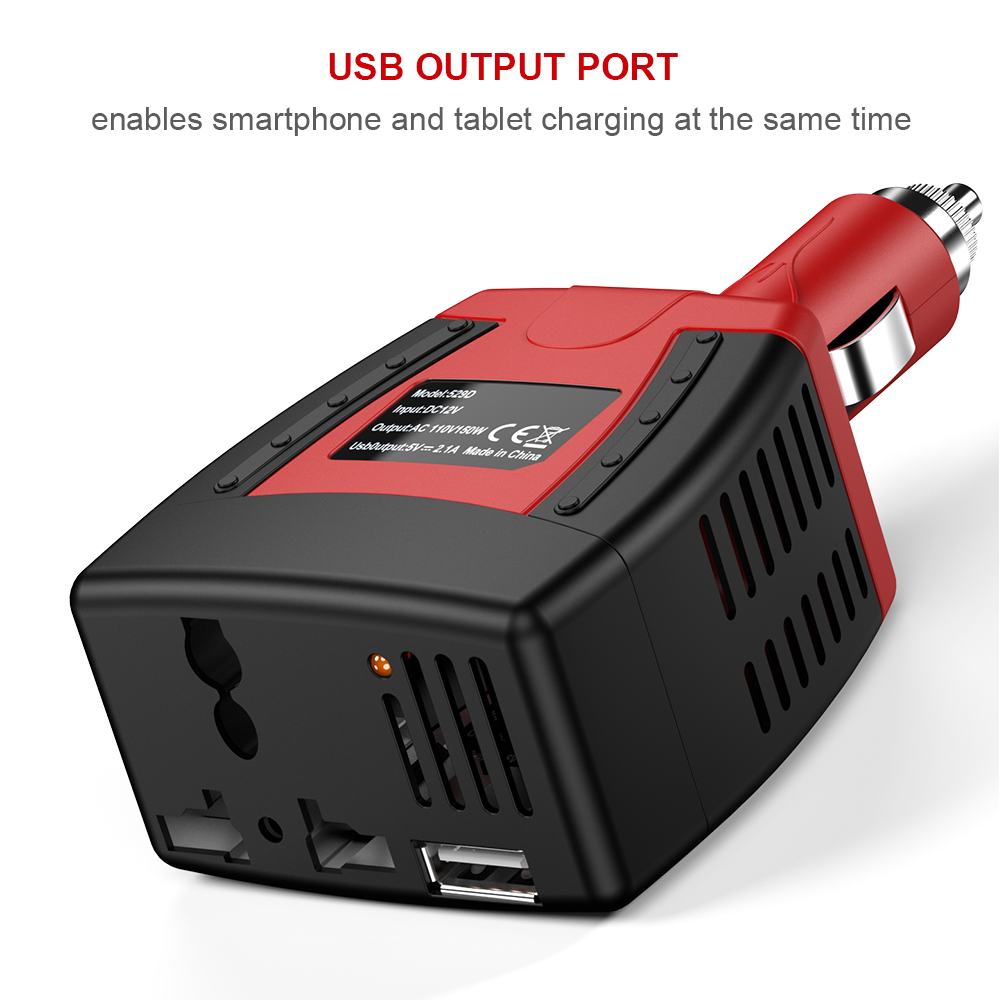
Since car batteries provide DC voltage, but most consumer electronics use AC power, if you want to use AC equipment on the road, you need a device called a car power inverter. With a car power inverter installed, you can plug any electronic device, plug it into the car, and use it normally, with a few caveats.
Some of the most important limiting factors to keep in mind when using an inverter in a car include the capacity of the car battery, the rated output of the alternator and the output power of the inverter.
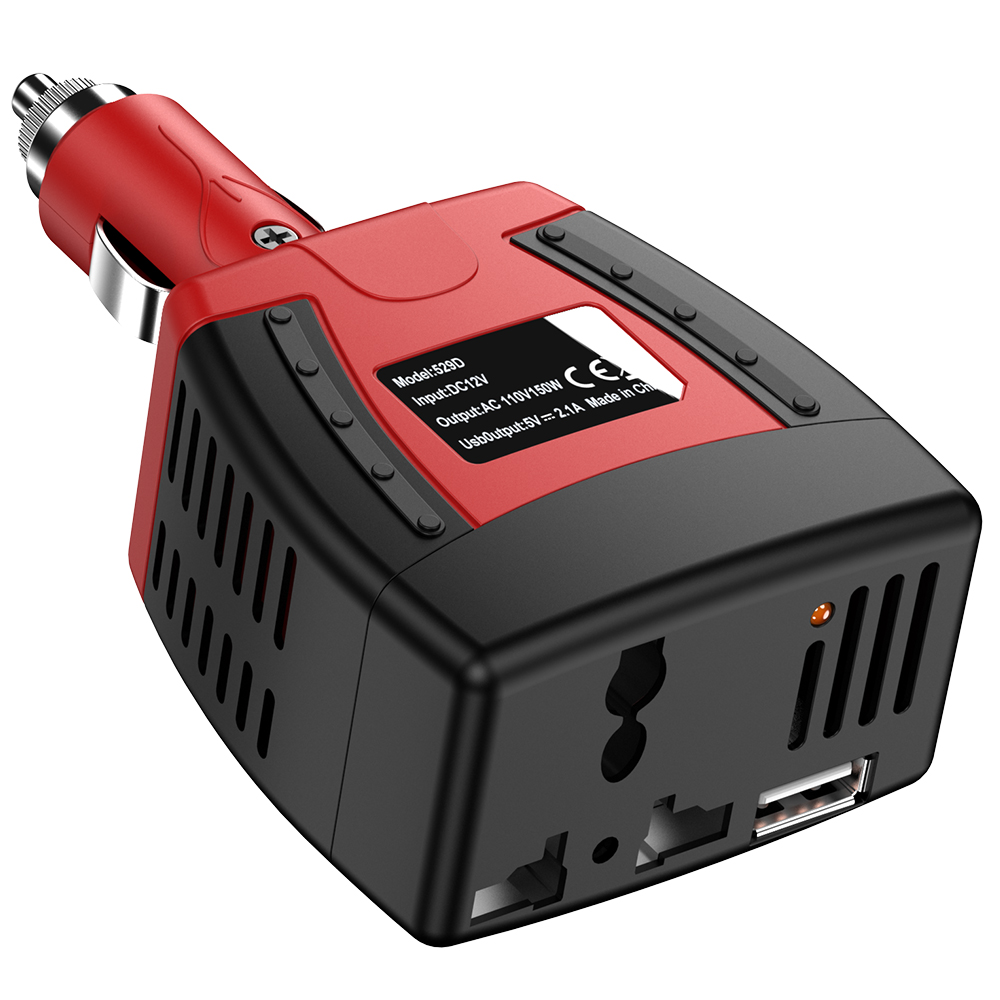
How does an inverter work?
Inverters work by simulating alternating current (AC) power using a unidirectional DC power source. Electronic inverters are essentially oscillators that rapidly switch the polarity of the DC power supply, which effectively produces a square wave.
Since most consumer electronics products require functionality closer to a true sine wave, most inverters contain additional components that produce a modified or pure sine wave.
When do you need a car inverter?
People who spend a lot of time on the road need inverters. These units are particularly useful for long-distance travel, camping, business travelers, off-road truck drivers, and other similar applications.

Some devices, such as cell phones and laptops, can be used with 12v accessories that plug directly into the cigarette lighter or accessory jack. However, any electronic device that requires AC input requires an inverter. Some of the devices you can run with a car inverter include: TVs, DVD and Blu-ray players, computers, heaters, cooking equipment, power tools.
What types of car inverters are there?
There are many different types of inverters mainly:
modified sine wave
These inverters are the more affordable of the two. The "modified sine waves" they produce are fine for most consumer electronics, so they work well in many different applications.
pure sine wave
These tend to be more expensive, but they produce a sine wave that is closer to the AC power at your home's electrical outlet. Some devices, like uninterruptible power supplies, may not function properly without a steady, pure sine wave, but most consumer electronics will work fine without a power source.